Why Do Teeth Shift After Braces? How to Stop It Happening

One of the most common questions from patients finishing braces or Invisalign treatment is: why do teeth shift after braces? You have invested time and money in a straight smile. The idea of it slowly reversing is understandably concerning.
The good news is that teeth shifting after braces is not inevitable. It is, however, predictable — and entirely preventable with the right retainer worn consistently after treatment.
Why Do Teeth Shift After Braces?
Your teeth are not permanently anchored in place. They are held in the jawbone by a network of elastic fibres called the periodontal ligament. These fibres stretch and reform as braces or aligners move your teeth during treatment.
When your braces come off, the periodontal ligament has not yet fully stabilised in its new position. The fibres retain a form of elasticity — a “memory” — that can pull teeth back towards where they were before treatment. This tendency is called orthodontic relapse.
Additionally, natural forces act on your teeth throughout life:
- Biting pressure: The constant force of chewing can cause gradual movement over years.
- Tongue pressure: The resting position of your tongue places pressure on your teeth, contributing to drift over time.
- Lip and cheek pressure: External soft tissue forces also influence where teeth settle long-term.
- Wisdom teeth: Erupting wisdom teeth can put pressure on adjacent teeth and contribute to crowding, though this is less common than previously believed.
- Ageing: As we age, jaw bones naturally narrow slightly and teeth tend to become more crowded at the front, particularly the lower front teeth.
How Much Will Teeth Shift Without a Retainer?
The degree of shifting without a retainer varies between individuals, but some level of movement is expected in almost all patients. Teeth are most at risk of significant relapse in the first 12 months after braces are removed, as the bone and periodontal ligament are still remodelling during this period.
Research consistently shows that without retainer wear, most patients experience noticeable relapse within 2 to 5 years of completing treatment. This does not always mean full reversal, but it is often enough to significantly compromise the result achieved during treatment.
How to Stop Teeth from Shifting After Braces
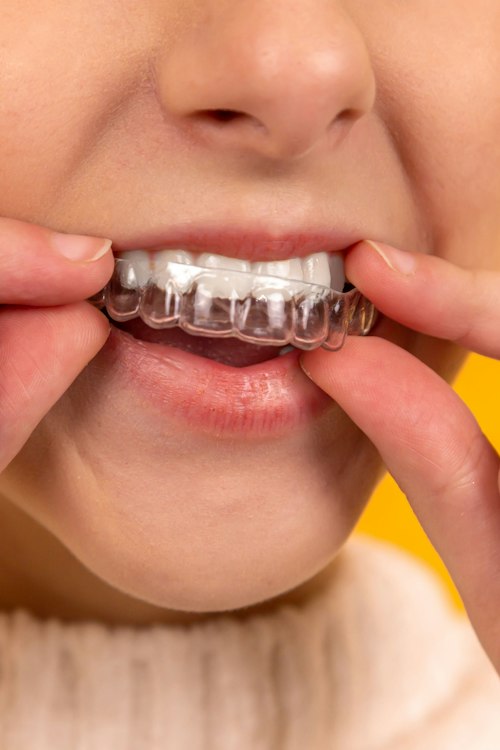
The answer is straightforward: wear your retainer. This is not optional advice. After orthodontic treatment, retainer wear is the only reliable method of preventing relapse. Here is what Orthoworx recommends:
Phase 1: Full-Time Retainer Wear (0–6 Months After Braces)
In the first 6 months after braces or Invisalign, patients are typically advised to wear their retainer full-time (20 to 22 hours per day), removing only to eat and clean their teeth. This is the highest-risk period for relapse because the bone around your teeth is still stabilising.
Phase 2: Nights-Only Wear (6 Months Onwards)
After 6 months of consistent full-time wear, most patients transition to wearing their retainer at night only. This is usually a lifelong commitment — even one or two nights per week is better than not wearing it at all. Think of retainer wear the same way you think of sunscreen: ongoing maintenance that protects a long-term investment.
Types of Retainers to Keep Teeth Straight
| Retainer Type | Description | Best For |
|---|---|---|
| Removable clear retainer (Essix) | Transparent plastic tray — like a thin Invisalign aligner | Most patients; discreet and comfortable |
| Hawley retainer | Acrylic plate with a wire across the front teeth | Patients needing a very durable option; adjustable |
| Fixed (bonded) retainer | A thin wire bonded to the back of the front teeth | Patients at higher relapse risk; “set and forget” option |
At Orthoworx, Dr Chan can fit both removable and fixed retainers. Many patients choose a combination — a fixed retainer on the lower teeth (more prone to crowding) and a removable clear retainer for the upper arch.
What to Do If Your Teeth Have Already Shifted
If your teeth have shifted after braces and you are concerned about the movement, do not delay booking an appointment. The longer teeth shift without intervention, the more significant the correction required.
Options include:
- New retainers: For minor shifting, a new set of retainers may be able to hold the teeth at their current position and prevent further movement.
- Refinement aligners: For mild relapse, a short course of Invisalign may correct the shift and get teeth back to where they should be.
- Full retreatment: For significant relapse, a comprehensive orthodontic assessment will determine the most appropriate retreatment plan.
Related Reading from Orthoworx
- Complete Guide to Preventing Teeth Shifting After Braces
- Types of Dental Retainers: Which One Is Right for You?
- Dental Retainers Guide 2026
- How to Care for Braces: Post Orthodontic Care Guide
Frequently Asked Questions
Why do teeth shift back after braces?
Teeth shift back after braces due to a combination of the periodontal ligament’s natural tendency to return to its original position (relapse), ongoing pressure from biting, tongue position, and gradual jaw changes that occur with ageing. The first 12 months after braces are the highest-risk period for relapse. Consistent retainer wear prevents this from happening.
Will my teeth shift if I stop wearing my retainer?
Most likely yes, to varying degrees. Some patients maintain good alignment for years without retainers due to favourable bite and jaw structure, but this is not the norm. For the majority of patients, stopping retainer wear entirely — especially in the early years after treatment — will result in noticeable movement over time. Think of retainers as lifetime maintenance for your orthodontic investment.
How to stop teeth from shifting without a retainer?
The honest answer is: there is no reliable way to prevent teeth from shifting without some form of retention. Tongue position exercises and orthodontic chewing devices are sometimes promoted but have limited evidence. A fixed bonded retainer is the closest thing to a “no effort” solution, as it is permanently attached to the back of your teeth and does not require you to remember to wear anything.
How to keep teeth straight after braces without a retainer?
Maintaining results without any retainer is not something orthodontists can reliably recommend. However, a fixed bonded retainer may suit patients who struggle to remember removable retainer wear — once fitted, it requires no active effort. It still needs occasional check-ups to ensure the wire is intact.
How long do I need to wear a retainer after braces?
The Orthoworx recommendation is lifelong retainer wear. This does not mean all-day wear forever — after the initial stabilisation period (typically 6 to 12 months full-time), most patients transition to nights-only wear, which is very manageable. The alternative — allowing teeth to relapse and requiring retreatment — is far more inconvenient and costly.
Can retainers fix shifted teeth after braces?
A new retainer can hold teeth at their current position and prevent further movement, but it cannot reverse shifting that has already occurred. To correct relapsed teeth, treatment such as refinement aligners or Invisalign may be needed. Book an assessment at Orthoworx if your teeth have shifted — early action limits how much correction is needed.
Do wisdom teeth cause teeth to shift after braces?
The relationship between wisdom teeth and tooth crowding has been debated in orthodontic research for decades. Current evidence suggests that wisdom teeth alone are not the primary cause of post-brace relapse. The more significant factor is the natural tendency for the front teeth to crowd as we age, which happens regardless of whether wisdom teeth are present. Retainer wear addresses this regardless of your wisdom tooth situation.
Further Reading (External Resources)
Australian Society of Orthodontists – Retainer Information
Australian Dental Association – Orthodontic Retention
Conclusion
Teeth shift after braces because the biological forces holding your teeth in place need time to adapt to their new position, and because natural pressures from biting, tongue, and ageing never fully stop. The solution is straightforward: wear your retainer. Long-term, consistent retainer use is the only reliable method of keeping your smile straight after orthodontic treatment.
If you have noticed your teeth shifting after braces, book an appointment at Orthoworx. Dr Chan will assess the movement and discuss your options before any further relapse occurs.
Concerned About Your Teeth Shifting? We Can Help.
Book an appointment at Orthoworx Zetland or Chatswood. Dr Chan will assess your current situation and recommend the most appropriate retainer or correction option for you.
Call Zetland: (02) 9663 0070 | Call Chatswood: (02) 5600 1000