

What is Fluoride and What is Fluoride Treatment?
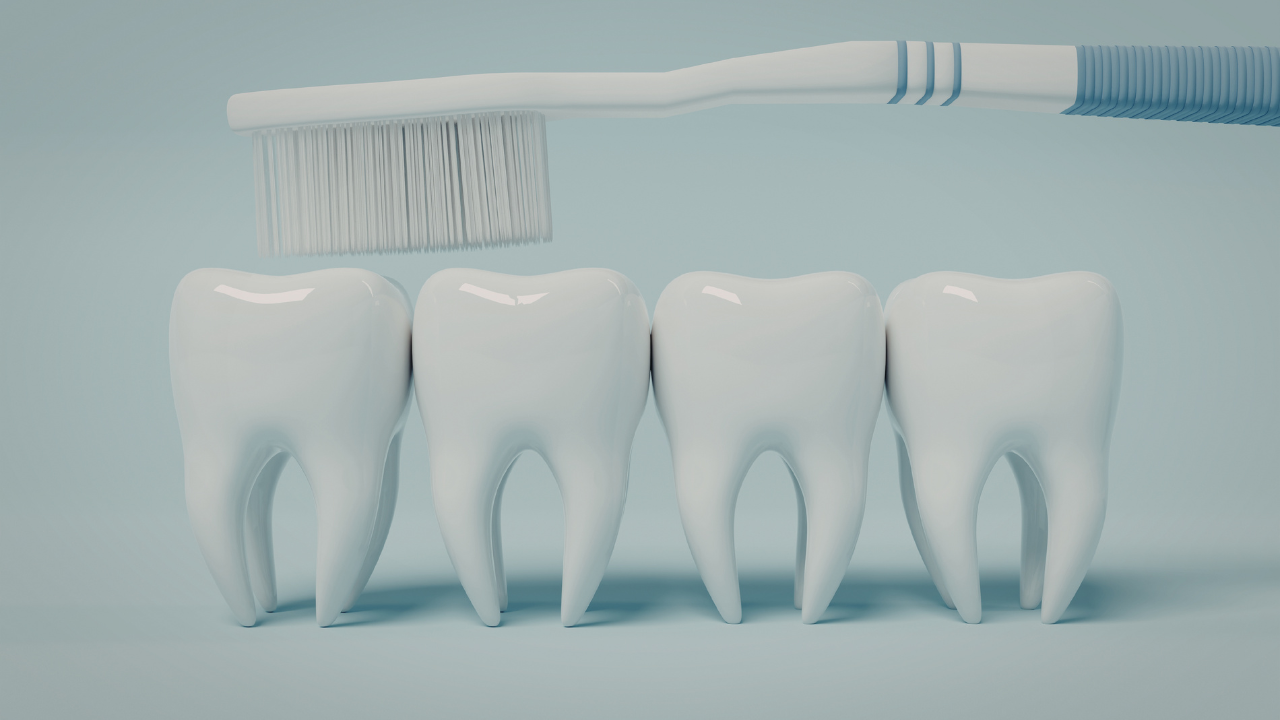
Fluoride is a naturally occurring mineral found in soil, water, and many foods, and it is one of the most well-studied and effective agents in preventive dentistry.
Fluoride treatment is the professional or at-home application of concentrated fluoride to the teeth to strengthen enamel, prevent tooth decay, and, in some cases, reverse very early-stage mineral loss before it progresses to a cavity.
Fluoride has been used in dentistry for over eight decades and is endorsed by the Australian Dental Association (ADA), the World Health Organisation (WHO), and the National Health and Medical Research Council (NHMRC) as a safe, evidence-based intervention for reducing the burden of dental caries, one of the most prevalent chronic diseases globally.
Most Australian cities and many regional areas have access to fluoridated water — a low, continuous background level of fluoride exposure that has contributed to a reduction in tooth decay across the population since its introduction.
However, as we’ll explore in this guide, water fluoridation alone is not always sufficient, especially for patients undergoing orthodontic treatment with fixed braces, those at high risk of caries, or those with reduced saliva flow.
What Does Fluoride Do?
To understand what fluoride does, it helps to understand the ongoing biological process happening on the surface of your teeth every day.
Demineralisation occurs when acids produced by bacteria in dental plaque metabolise sugars, attack the enamel surface, and dissolve the mineral crystals (primarily hydroxyapatite) that give enamel its hardness. This is a normal, recurring process that happens after every meal or sugary drink. Left unchecked, demineralisation progresses to cavities.
Remineralisation is the opposing process by which minerals from saliva and fluoride are redeposited back into the enamel surface, repairing the damage caused by acid attack.
When fluoride ions are present at the tooth surface, they react with calcium and phosphate ions in saliva to form fluorapatite — a mineral that is more resistant to acid dissolution than the original hydroxyapatite.
The Australian Dental Association describes this as “making teeth more resistant to decay” and “helping repair the early reversible stage of tooth decay” [1].
Fluoride also inhibits the metabolic activity of Streptococcus mutans and other acid-producing bacteria in dental plaque, slowing the rate at which acids are produced in the first place.
In summary, fluoride coats the teeth and becomes incorporated into the enamel structure itself, making each tooth physically more resistant to the acid attacks that cause decay.
The Benefits of Fluoride for Your Teeth
The clinical evidence base for fluoride’s benefits in preventing and managing tooth decay is among the strongest in all of dentistry. Multiple Cochrane systematic reviews, the NHMRC, and the ADA all support the following evidence-based benefits [1, 2, 3]:
- Strengthens tooth enamel. Fluoride incorporates into the enamel crystal lattice as fluorapatite, increasing the tooth’s resistance to acid attack and reducing the rate of demineralisation.
- Prevents cavities. Consistent fluoride exposure through water, toothpaste, mouth rinse, and professional treatment can reduce the incidence of dental caries in both children and adults.
- Reverses early-stage decay. When applied at high concentration (such as in professional fluoride varnish), fluoride can remineralise early enamel lesions before they progress to cavitated cavities requiring drilling and filling.
- Slows acid-producing bacteria. Fluoride inhibits the glycolytic enzyme activity of cariogenic bacteria, reducing the quantity of acid produced after sugar exposure.
- Reduces tooth sensitivity. By strengthening exposed dentinal tubules in sensitive teeth, fluoride treatment can provide measurable relief from thermal and tactile sensitivity.
- Supports long-term oral health. A reduction in caries burden means fewer fillings, less invasive dental treatment, and better preservation of natural tooth structure over a lifetime.
Types of Fluoride Treatment
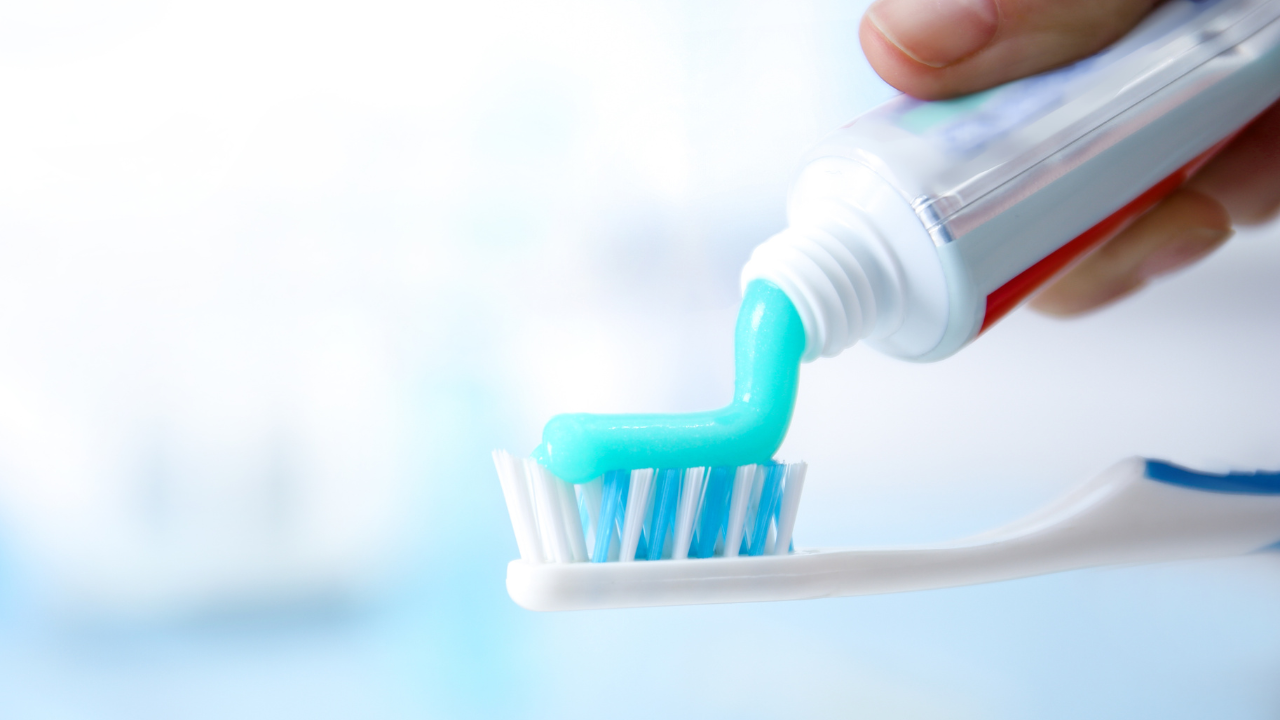
Fluoride is available in several forms, ranging from daily at-home products to high-concentration professional treatments applied by a dental professional.
The key difference between professional and consumer-grade fluoride products is concentration: professional fluoride varnish and gel contain significantly higher levels of fluoride than over-the-counter toothpastes or rinses, and their effects are correspondingly more potent.
1. Fluoride Varnish (Professional)
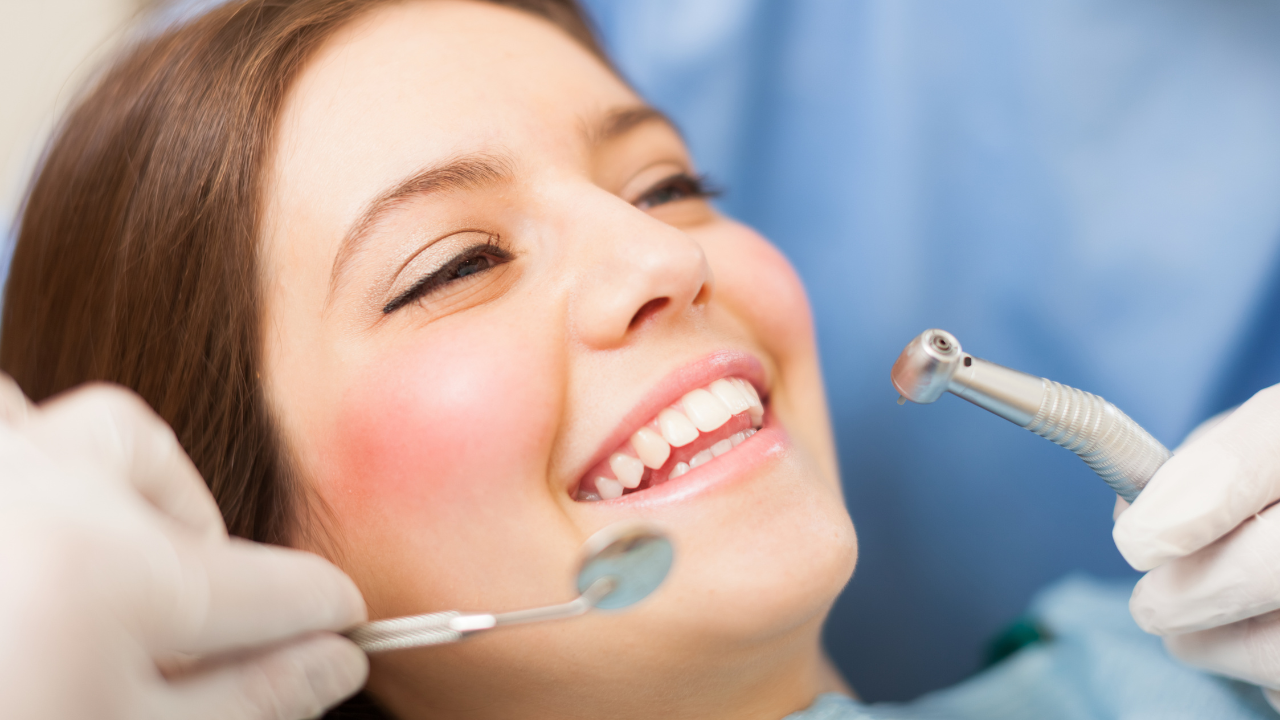
Fluoride varnish is a high-concentration topical fluoride product applied directly to the teeth by a dental or orthodontic professional.
It is the most commonly used professional fluoride treatment and has a strong evidence base for preventing demineralisation and reversing early enamel lesions. The varnish sets quickly upon contact with saliva, adheres to the tooth surface, and releases fluoride over several hours. The application itself takes only a few minutes and is entirely comfortable.
2. Fluoride Gel (Professional)
Acidulated phosphate fluoride (APF) gel is applied using a custom-fitted tray worn over the teeth for a short period (typically 1–4 minutes) in a dental setting. Fluoride gel is effective for patients with high caries risk and those with dry mouth, where salivary fluoride exposure is reduced.
It is generally used less frequently than varnish in clinical practice but remains a well-supported professional treatment option.
3. Fluoride Mouth Rinse (At-home)
Fluoride mouth rinse contains a lower concentration of fluoride than professional products and is used as a daily or weekly at-home adjunct to toothbrushing.
It is particularly recommended for patients undergoing fixed-brace treatment, those with a history of recurrent cavities, and those with reduced saliva production.
Rinse after brushing, and do not eat or drink for at least 30 minutes after use to maximise fluoride contact time.
4. Fluoride Toothpaste (Daily Baseline)
Fluoride toothpaste is the primary source of daily fluoride exposure for most Australians and remains the most cost-effective, evidence-based method of caries prevention at the population level.
The Australian Dental Association recommends brushing twice daily with fluoride toothpaste for both children and adults. Standard adult fluoride toothpastes in Australia contain 1,000 to 1,450 ppm fluoride; prescription-strength formulations containing up to 5,000 ppm are available for high-risk patients through dental professionals.
Why Fluoride is Important During Orthodontic Treatment
For patients undergoing orthodontic treatment, fluoride protection takes on an added dimension of importance that is often underestimated.
The White Spot Lesion Problem
Fixed orthodontic appliances, such as brackets, wires, and bands, create additional surfaces on and around the teeth where dental plaque can accumulate and is difficult to remove with standard brushing.
When plaque sits undisturbed around the base of a bracket, the acids produced by its bacteria cause localised demineralisation of the enamel surface.
The visible result, once braces are removed, is one of the most common and distressing outcomes in orthodontic treatment: white spot lesions (WSLs) are chalky, opaque patches on the enamel that represent areas of mineral loss.
A meta-analysis cited in the peer-reviewed literature (Gorelick et al., 1982, cited in PMC7493957) found that the incidence of new carious lesions formed during orthodontic treatment reached approximately 45.8% in studied patient populations [4].
Important note: This figure reflects data from an era prior to modern fluoride prevention protocols and current oral hygiene education standards; contemporary rates with proper preventive care are substantially lower. However, the elevated baseline risk during fixed orthodontic treatment remains clinically significant and well-recognised in the current literature [5, 6].
What the Evidence Shows for Fluoride During Braces
A 2025 literature review published in Dentistry (MDPI, PMC11941627) evaluated strategies for preventing white spot lesions during fixed orthodontic treatment and found that topical fluoride applications, particularly high-concentration varnishes applied periodically by the orthodontist, significantly reduced WSL prevalence.
High-fluoride toothpaste and acidulated phosphate fluoride mouth rinse used at home were also effective in reducing lesion incidence, with the review emphasising the importance of patient compliance in daily oral hygiene routines [5].
A Cochrane systematic review (Benson et al., 2019) similarly concluded that fluoride in various forms reduces the development of demineralised lesions in patients undergoing fixed brace treatment [6].
The clinical consensus is clear: Patients with fixed braces should use a fluoride mouth rinse daily (in addition to fluoride toothpaste), maintain meticulous oral hygiene around brackets and wires, and attend regular adjustment appointments where their orthodontist can monitor enamel health.
What About Invisalign™ Patients?
Patients treated with Invisalign™ clear aligners have a lower risk of white spot lesions than fixed-brace wearers, primarily because the aligners are removed for eating and cleaning. Patients can normally brush their teeth and floss without the obstruction of brackets and wires.
However, fluoride hygiene is still important.
Aligners worn for 20–22 hours per day create a sealed environment over the teeth, and any plaque or food residue trapped beneath an aligner is in prolonged contact with enamel.
Thoroughly cleaning teeth before reinserting aligners and using fluoride toothpaste consistently remain important throughout Invisalign™ treatment.
If you’re weighing up your treatment options, read our full comparison of braces vs. Invisalign™.
Concerned About Enamel Health During Braces?
Book a consultation with Dr Eugene Chan to discuss fluoride care during orthodontic treatment.
Fluoride in Australia: Understanding the Water Fluoridation Context

Australia has one of the most extensive community water fluoridation programmes in the world. Capital cities and many regional centres fluoridate their public water supplies to a target concentration of 0.6 to 1.1 mg/L — a level the NHMRC and ADA have assessed as safe and effective for reducing dental caries across the population [2, 3].
The NHMRC’s systematic review of fluoride efficacy and safety found that water fluoridation at 1 ppm is associated with a 20–40% reduction in caries rates [2]. The ADA strongly supports community water fluoridation and has published a formal policy statement affirming its safety and efficacy at Australian concentrations [1].
However, water fluoridation is a background protective factor, not a substitute for active fluoride use.
Patients who drink primarily bottled water (which is typically non-fluoridated), those on certain medications that reduce saliva flow, people with a high-sugar diet, and those undergoing orthodontic treatment with fixed braces all have elevated risk profiles that warrant additional fluoride protection beyond what water fluoridation provides.
After a Fluoride Treatment: What to Expect
Professional fluoride treatment is quick, comfortable, and requires no recovery time. However, the way you care for your teeth in the hours immediately after treatment affects how well the fluoride is absorbed. Here is what to do:
- Wait at least 30 minutes before eating or drinking anything. This applies after fluoride varnish application. The varnish adheres to the tooth surface and releases fluoride over several hours. Eating or drinking immediately after can disrupt this process. For fluoride gel treatment, follow the specific instructions given by your dental professional.
- Avoid hot drinks for the rest of the day. Heat can affect the setting of some fluoride varnishes. Stick to cool or room-temperature beverages for the remainder of the day of treatment.
- Avoid hard, crunchy, or sticky foods for the rest of the day. These foods can dislodge varnish before it has fully released its fluoride load. Soft foods are fine.
- Do not brush your teeth immediately after varnish application. Wait until the following morning to brush, to allow maximum fluoride contact time. Your teeth may feel slightly waxy or coated; that is the varnish, and is completely normal.
- You can drink water. Plain water does not interfere with fluoride absorption and can be consumed as normal.
- Mild temporary sensitivity is normal. Some patients notice a brief increase in sensitivity in the 24 hours following fluoride treatment. This typically resolves on its own. If sensitivity persists beyond 48 hours, contact your dental professional.
Is Fluoride Safe? Addressing Common Concerns
Fluoride is among the most thoroughly studied substances in dentistry, with a safety record spanning more than 80 years of clinical use and population-level application. The short answer to “is fluoride bad for you” is: at therapeutic levels, no. Here is a balanced, evidence-based account of what the research actually shows.
Dental Fluorosis
Dental fluorosis is the only well-documented adverse effect of fluoride overexposure, and it occurs specifically when excessive fluoride is ingested during childhood, when tooth enamel is developing (approximately ages 0 to 8).
It presents as mild mottling or white striations on the tooth surface. They’re barely noticeable, but in more severe (and rare) cases, dental fluorosis shows up as pitting or brown discolouration of the enamel.
The ADA’s Policy Statement 2.2.1 on fluoride use notes that moderate dental fluorosis is very uncommon and severe dental fluorosis is rare in Australia.
Critically, there is no evidence that community water fluoridation at Australian concentrations causes moderate or severe dental fluorosis [1]. The NHMRC’s systematic review similarly found that the overall fluorosis risk at the concentrations used in Australian water supplies is low and acceptable relative to the significant caries-prevention benefit [2].
Systemic Safety
Concerns about systemic effects of fluoride including effects on bone density, thyroid function, and neurological development, have been studied extensively.
At the concentrations present in Australian fluoridated water and approved dental products, no credible systematic review has established a causal link between fluoride exposure and adverse systemic health outcomes in the general population.
The Cochrane 2024 review of water fluoridation (Iheozor-Ejiofor et al.) acknowledged ongoing research into potential effects at high exposure levels but found the available evidence at standard water fluoridation concentrations to be reassuring [3].
The key principle is dose. The fluoride concentrations used in Australian community water supplies and approved dental products are carefully regulated to deliver benefit while minimising risk.
Professional fluoride varnish is applied to the tooth surface in small quantities and is not intended to be swallowed. As with any substance, including water, excessive ingestion above therapeutic levels is where risk begins.
Safety for Children
Children should use age-appropriate fluoride toothpaste (lower concentration for under-6s) and be supervised during brushing to minimise ingestion.
Children under 18 months should not use fluoride toothpaste unless directed by a dentist. Professional fluoride treatment in children is considered safe and is routinely recommended by Australian paediatric dental guidelines for children at elevated caries risk.
Frequently Asked Questions About Fluoride Treatment
How long after fluoride treatment can I eat or drink?
After a professional fluoride varnish application, wait at least 30 minutes before eating or drinking anything other than plain water. Follow the specific aftercare instructions provided by your dental professional.
Is fluoride treatment safe?
Yes, fluoride treatment is safe at the concentrations used in professional dental practice and approved consumer products. It has been used in dentistry for over 80 years and is endorsed by the Australian Dental Association, the NHMRC, and the World Health Organisation.
Can fluoride treatment reverse cavities?
Professional fluoride treatment can reverse very early-stage enamel demineralisation; specifically, non-cavitated white spot lesions where the enamel surface is still intact but weakened. A 2016 meta-analysis (Gao et al., BMC Oral Health) found that professionally applied 5% sodium fluoride varnish remineralised early enamel caries in approximately 63.6% of lesions [7]. Once a cavity has progressed to a physical hole in the enamel, it cannot be reversed with fluoride alone and will require a filling.
How often should I get fluoride treatment?
The recommended frequency of professional fluoride treatment depends on your individual risk profile. Low-risk adult patients may benefit from fluoride varnish once or twice a year, aligned with routine dental check-ups. High-risk patients may benefit from more frequent application, as recommended by their dental or orthodontic professional.
Do adults need fluoride treatment?
Yes. Fluoride treatment is not only for children. Adults benefit from fluoride protection throughout life, particularly those with exposed root surfaces (which are more susceptible to decay than enamel), dry mouth caused by medication or systemic conditions, a diet high in fermentable carbohydrates, recurrent cavities, or those wearing fixed orthodontic appliances.
Does fluoride treatment help with sensitive teeth?
Yes, in many cases. Fluoride treatment, particularly fluoride varnish applied professionally, can reduce tooth sensitivity by blocking exposed dentinal tubules on sensitive tooth surfaces. Sensitivity caused by enamel erosion, gum recession, or exposed root surfaces often responds to fluoride treatment.
What is the difference between fluoride varnish and fluoride gel?
Both are professional-strength topical fluoride treatments, but they differ in application method and clinical use. Fluoride varnish is painted directly onto the teeth by the clinician, sets quickly on contact with saliva, and releases fluoride over several hours. It is the most widely used professional fluoride treatment and is well-suited to orthodontic patients and children. Fluoride gel is applied via a fitted tray worn over the teeth for 1–4 minutes. Both are effective; varnish is generally preferred for its ease of use and lower risk of ingestion.
Do I need fluoride treatment if I already use fluoride toothpaste?
Fluoride toothpaste provides an essential daily foundation, but may not be sufficient on its own for all patients. Those with fixed braces, a high rate of cavities, dry mouth, or reduced enamel integrity benefit from additional fluoride protection beyond what toothpaste alone provides.
Does fluoride treatment whiten teeth?
No. Fluoride treatment does not whiten teeth or alter their natural colour. Its purpose is to strengthen enamel, prevent decay, and support remineralisation. If you are interested in teeth whitening, this is a separate cosmetic procedure performed by a dental professional and is unrelated to fluoride treatment.
Curious About Fluoride Care During Your Orthodontic Treatment?
Protecting your enamel during orthodontic treatment is as important as the treatment itself. If you have questions about fluoride care while wearing braces or Invisalign™, or you’d like to discuss whether additional fluoride protection is appropriate for your case, our team at Orthoworx is happy to help at your next appointment.
Considering orthodontic treatment? Read our full guide to teeth straightening options in Sydney.